
Key Takeaways
- Move regularly in ways that fit your health and ability.
- Protect your sleep and address ongoing sleep problems.
- Stay connected through conversations, groups, and shared interests.
- Choose a balanced eating pattern and stay hydrated.
- Keep learning, manage health conditions, and review medicines with your care team.
Build a Strong Foundation for Brain Health
Brain health includes how well you think, learn, remember, move, and respond to emotions. Although some changes can occur with age, everyday habits may help support cognitive health and overall well-being.
A useful routine brings together physical health, restorative sleep, social connection, nutritious food, and activities that keep you curious. You don’t have to change everything at once. If memory or thinking changes begin to interfere with daily life, talk with a health care professional rather than assuming they’re a normal part of aging.
Support Sleep, Safety, and Overall Health
A consistent sleep and wake schedule can make it easier to get restorative rest. Keep the room comfortable, build a calming bedtime routine, and limit late-day habits that disrupt sleep. If poor sleep, snoring, or daytime fatigue continues, speak with a health care professional.
Protect your head with the right gear for activities such as cycling. Around your home, remove loose rugs and other tripping hazards, improve lighting, and keep frequently used items within easy reach. Strength and balance exercises may also help reduce fall risk.
Stay current with checkups and follow your care plan for conditions such as high blood pressure, diabetes, depression, and high cholesterol. Ask your health care professional to review medicines that might affect memory, sleep, or alertness. Hearing and vision checks also matter.
Keep Moving and Stay Connected
Movement and social connection support whole-person well-being. The most sustainable routines are safe, enjoyable, and meaningful—not obligations that leave you feeling overwhelmed.
Move in Ways You Enjoy
Physical activity supports strength, balance, mood, sleep, and overall health. It may also help maintain some aspects of cognitive function. Choose activities you enjoy and can do safely, such as walking, stretching, dancing, gardening, or an instructor-led class.
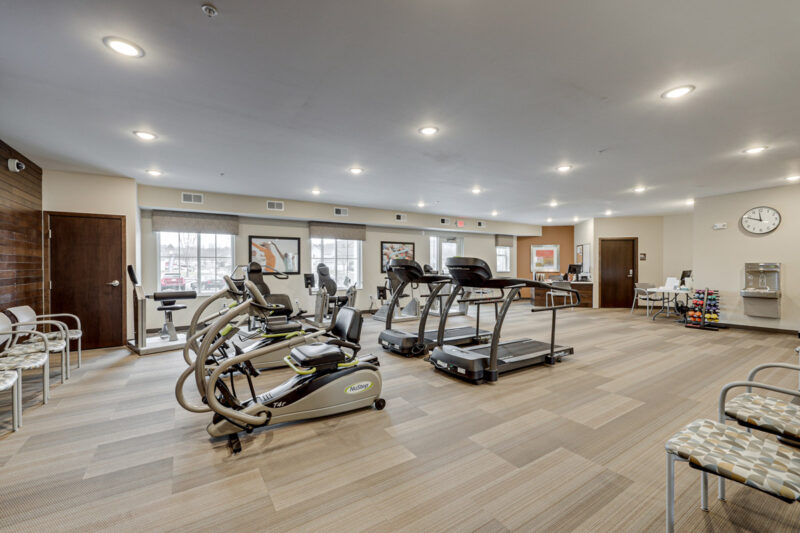
A short walk or gentle movement session can be a good place to begin. If you haven’t been active recently or want to start vigorous exercise, ask a health care professional what’s appropriate for you. Havenwood’s wellness and exercise classes can add variety, routine, and social connection to your week.
Make Connection Part of Your Routine
Conversation, shared interests, and a sense of belonging can support well-being and may benefit cognitive health. Meet a friend for coffee, call a family member, attend a community event, volunteer, or join a group built around an interest you already enjoy.
Regular connection can also make it easier to notice when someone needs extra support. Choose a rhythm that feels natural, whether that means a weekly phone call, a shared meal, or a recurring activity with neighbors.
Eat for Overall Health and Steady Energy
There isn’t one food that keeps the brain sharp. A balanced eating pattern can support heart health, energy, and overall well-being—factors that also matter for cognitive health.
Build Balanced Meals
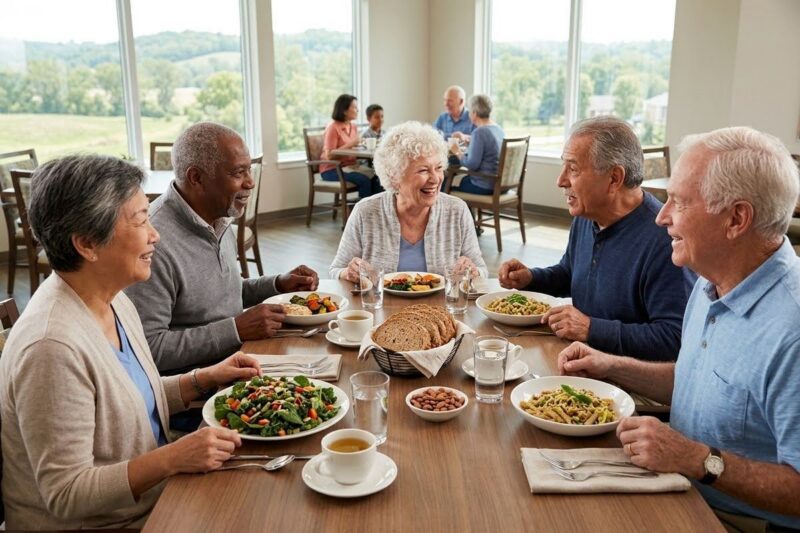
Include vegetables and fruit, whole grains, beans, nuts or seeds, and sources of protein that fit your needs. Choose unsaturated fats, such as olive oil, more often than solid fats.
If a medical condition affects what you should eat or drink, follow guidance from your health care professional or dietitian. A balanced approach is more useful than relying on any single ingredient.
Support Hydration, Sleep, and Energy
Keep water within reach and pair drinks with regular routines such as meals or medications. Individual fluid needs vary, and some health conditions require limits, so ask your care team if you’re unsure what’s right for you.
Frequent sweets and heavily processed foods can crowd out more nutritious choices and contribute to changes in your energy level. Alcohol can also affect sleep, balance, and medicines. Ask a health care professional how alcohol may interact with your health needs.
Keep Learning Through Meaningful Activities
Try a new recipe, learn a card game, take a class, read a book, practice music, paint, or work on a puzzle. Variety and an appropriate level of challenge can keep activities interesting.
Mental engagement works best when it’s meaningful to you. Discussing a book with a friend, learning a creative skill, or joining a group can combine curiosity with social connection.
Commercial brain-training games aren’t a guaranteed way to prevent cognitive decline. Choose puzzles and other activities because they’re engaging and enjoyable, and include them within a broader routine that supports whole-person health.
Build Healthy Routines at Havenwood of Onalaska
Havenwood makes it easier to build movement, connection, and learning into everyday life. Depending on the current schedule, residents may choose exercise classes, educational programs, entertainment, social gatherings, games, creative groups, worship services, outings, volunteer opportunities, and seasonal celebrations.
Without home maintenance and household upkeep taking as much of your time, you can focus on routines that feel purposeful. You might attend a wellness class, meet neighbors for a meal, read in the library, join a game, or simply enjoy a quiet walk.
Healthy aging isn’t about doing everything perfectly. It’s about creating a routine that supports your body, keeps you connected, and gives you reasons to stay curious. Contact Havenwood of Onalaska to learn more or schedule a visit.